Overview
📄 Container Networking From Scratch - Kristen Jacobs, Oracle - slides.pdf (29991 KB)(暂未托管,后续换成 Google Drive 分享链接)
Container networking from scratch, from a single namespace to an overlay network. - GitHub - kristenjacobs/container-networking: Container networking from scratch, from a single namespace to an ove…
The Network Model
The network needs to satisfy the following (Kubernetes) requirements:
-
All containers can communicate with all other containers without NAT 所有容器都可以与所有其他容器通信,而无需NAT
-
All nodes can communicate with all containers (and vice-versa) without NAT 所有节点都可以在没有NAT的情况下与所有容器通信 (反之亦然)
-
The IP that a container sees itself as is the same IP that others see it as 容器认为自己的IP与其他人认为的IP相同
The Plan
To work our way from nothing, to a (flflannel style) overlay network in 4 ‘easy’ steps:
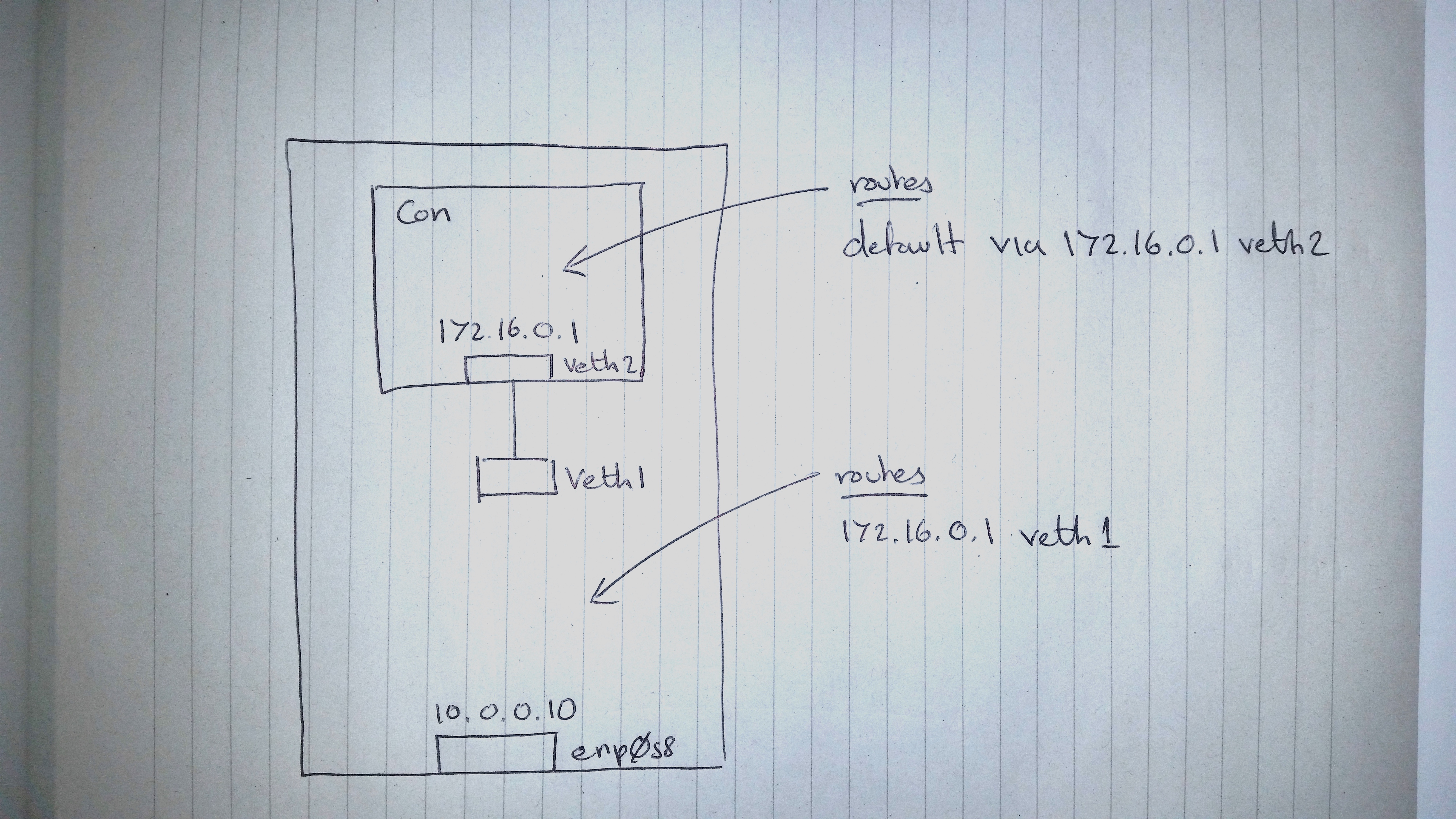
- Step 1: Single network namespace.
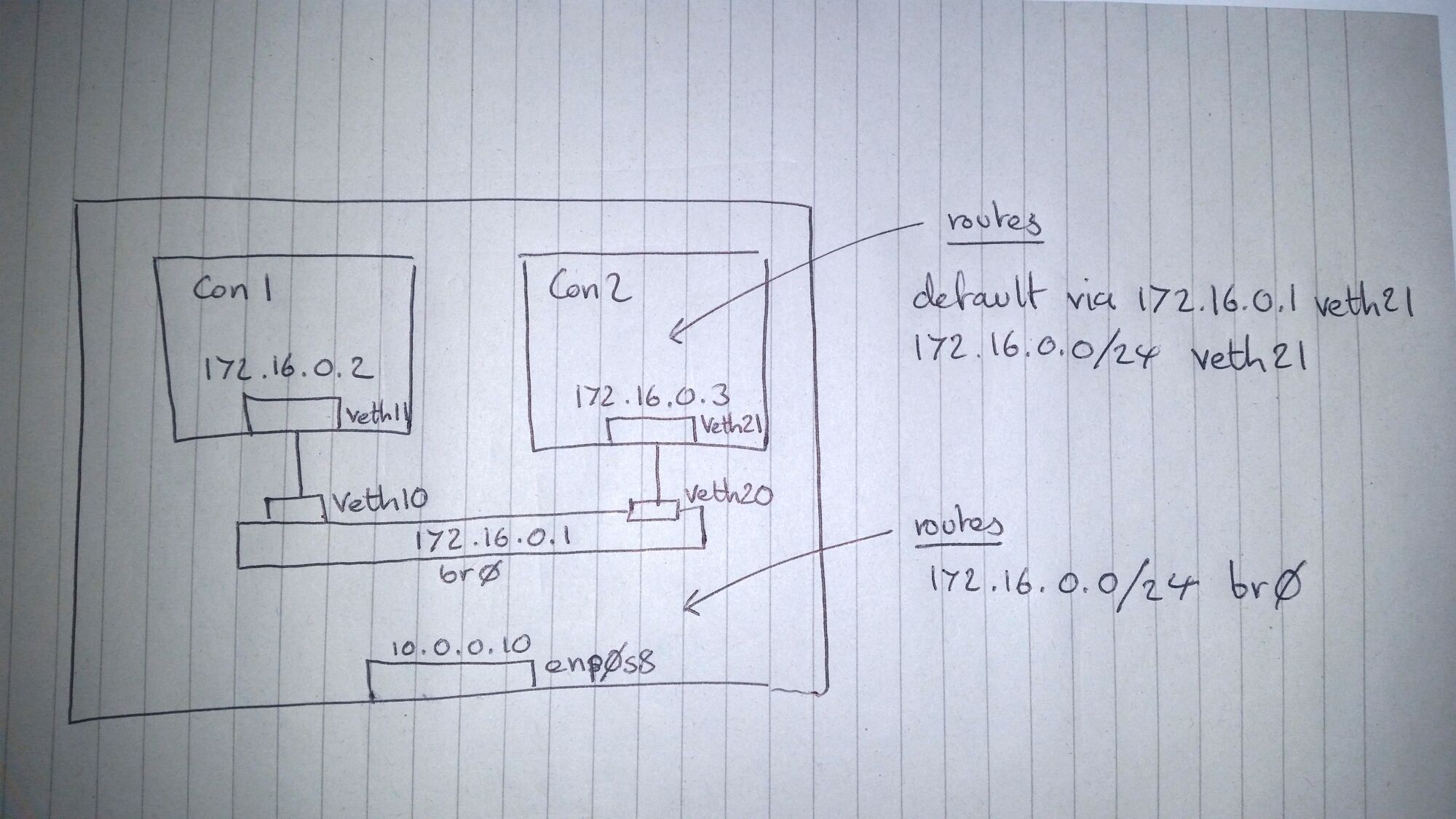
- Step 2: Single node, 2 network namespaces.
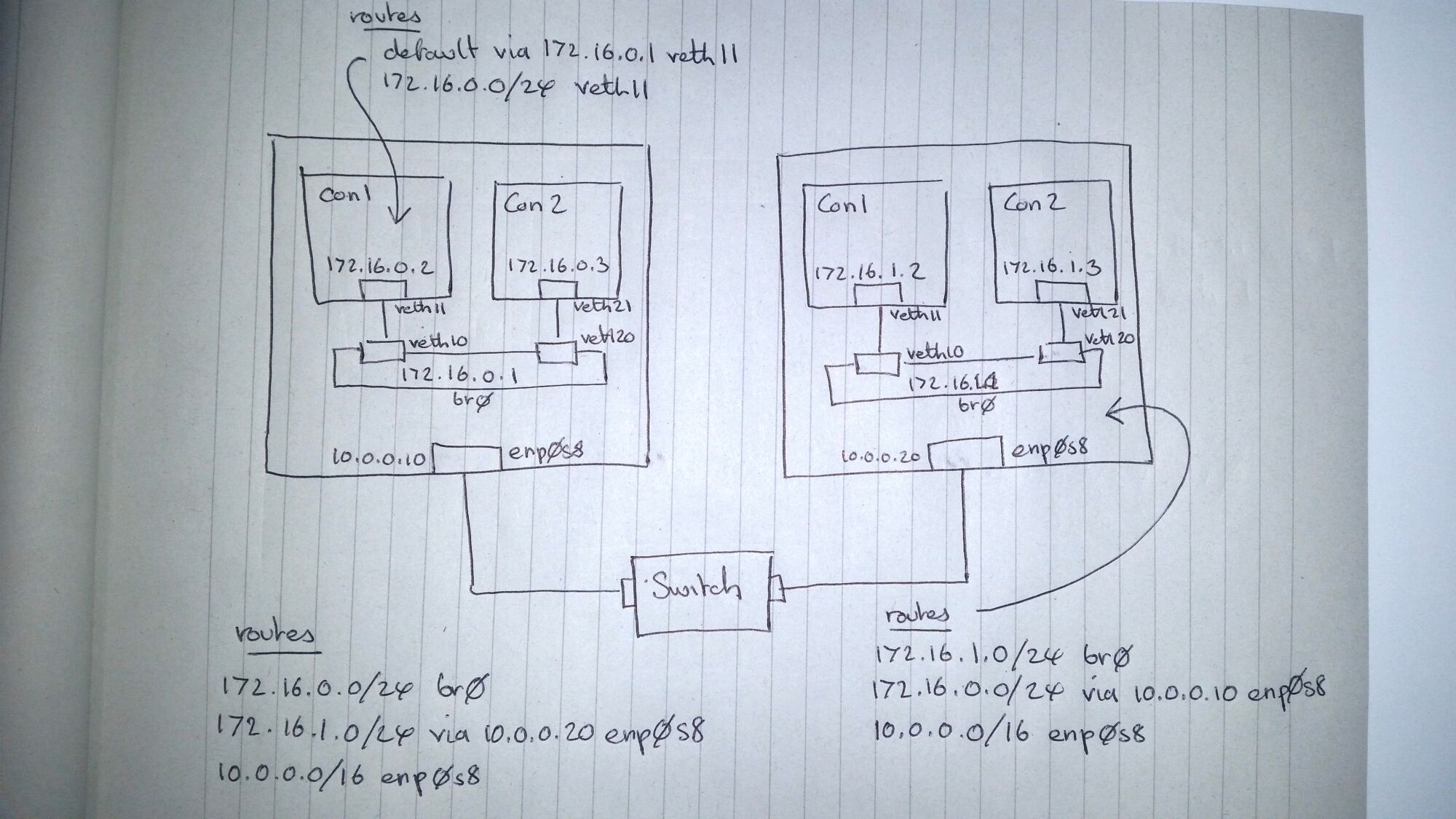
- Step 3: Multiple nodes, same L2 network.
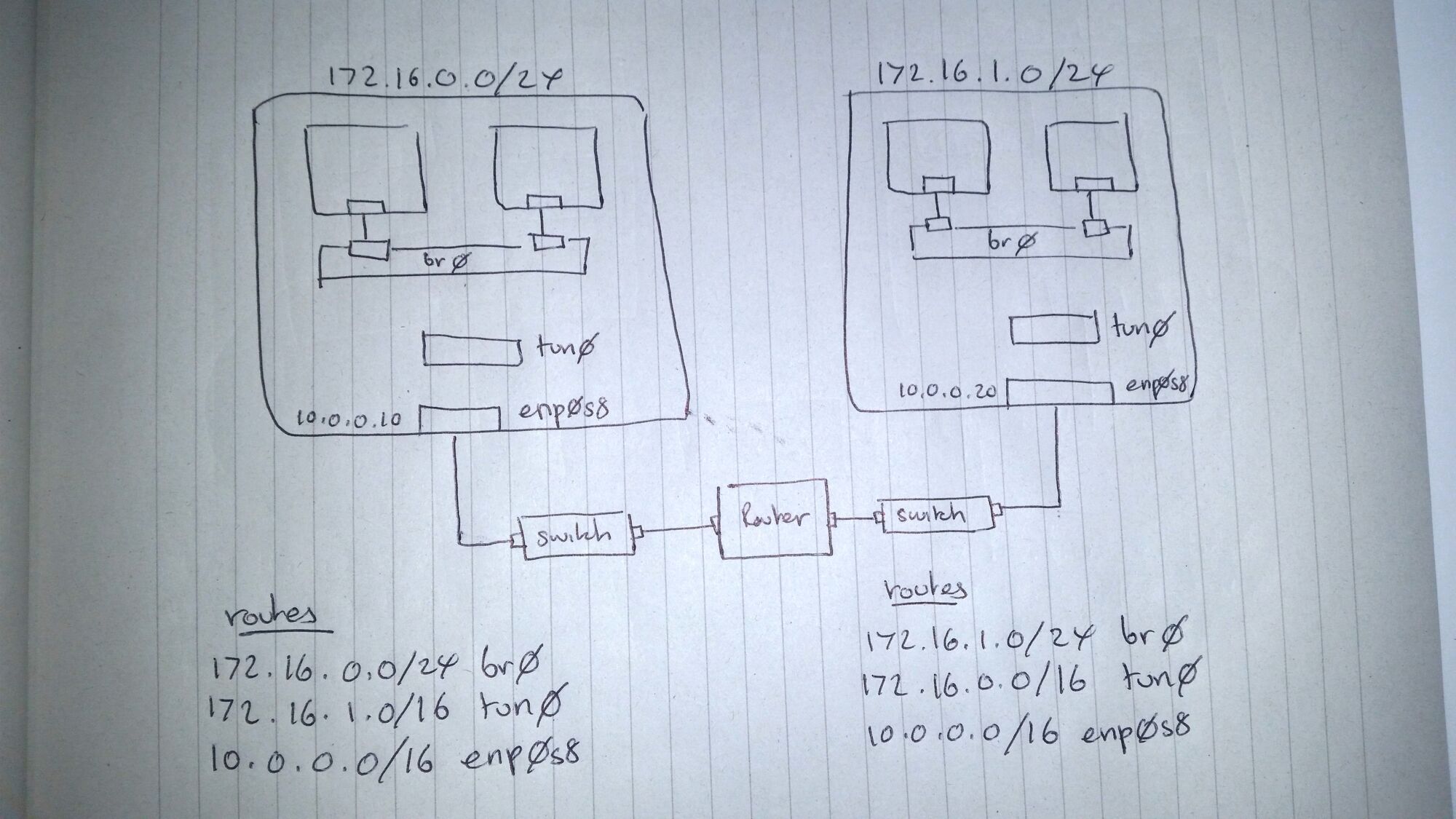
- Step 4: Multiple nodes, overlay network.
Recap
-
Step 1: Single network namespace => Veth pair connecting namespace to the node.
-
Step 2: Single node, 2 network namespaces => Veth pairs + Linux bridge.
-
Step 3: Multiple nodes, same L2 network => Routing rules on each node.
-
Step 4: Multiple nodes, different L2 networks => Overlay network.
Key Takeaways (concepts)
-
Routing rules => The key to understanding networks
-
Tun/Tap devices => The key to understanding overlay networks
Key Takeaways (tools)
-
ip => One-stop-shop for all networking operations
-
socat => Can connect anything to anything!
-
tcpdump/tshark => For all your network debugging needs